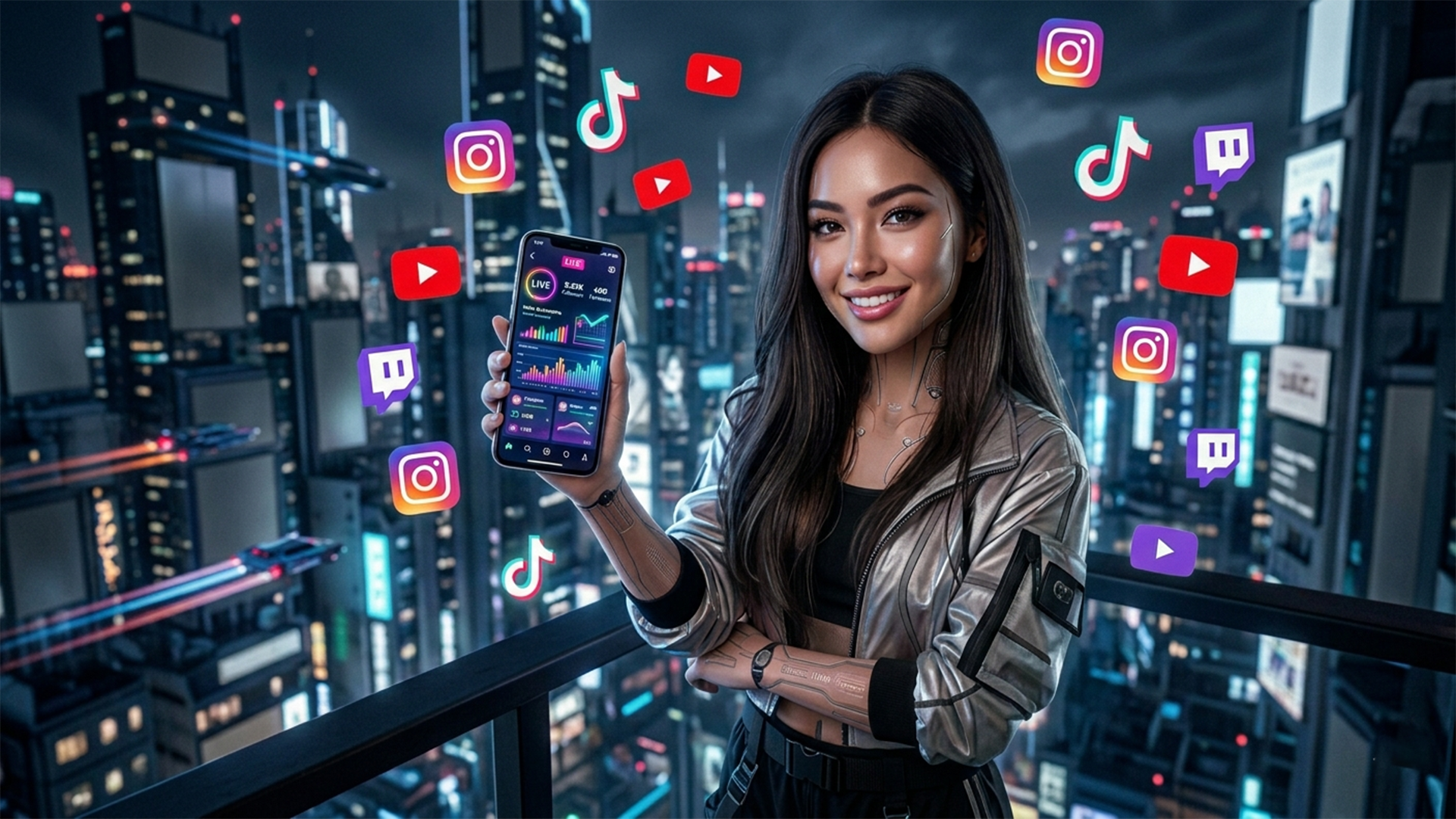
🤖 Meet Your New Idol: She's Not Human But Everybody Follows Her
The future of fame is pixel-perfect, algorithm-approved, and almost too flawless to be real—because it isn't.
AI-generated virtual influencers are exploding across social media, captivating millions and quietly transforming the very nature of celebrity, branding, and digital commerce. If you think "influencer" means a human with a ring light, think again.
🚀 From Sci-Fi to Scroll Feed: The Age of AI Avatars
Remember when digital stars were just cartoon mascots or game characters? Fast-forward to 2024, and AI avatars like Lu do Magalu, Imma, and Shudu are racking up more followers and brand deals than many human creators.
- 👗 Lifelike virtual models now headline campaigns for Prada, Balmain, and Nike.
- 🎤 AI pop stars drop music videos, livestream, and interact with fans in real time.
- 🛒 Virtual personalities influence what you buy often without you realizing they're not "real."
🌟 Why Marketers Can’t Resist AI Influencers
Virtual influencers are a brand manager’s dream they never have scandals, don’t need sleep, and can switch styles or languages in seconds.
- 🛡️ Zero drama or reputation risk
- 🕰️ 24/7 global availability
- 🌎 Ultra-targeted campaigns across cultures and markets
- 💬 Real-time adaptation thanks to generative AI & A/B testing
- 💡 Instant creative collaboration from viral dance trends to bespoke brand mascots
Even better? Their every move is trackable, tweakable, and data-driven. Brands are obsessed.
🧠 How AI Makes Virtual Influencers Hyper-Realistic (and Hypnotic)
Forget uncanny valley. Today’s avatars are powered by:
- ✨ Generative AI imagery: stunning, photorealistic visuals crafted in minutes
- 🎙️ Voice synthesis: custom personalities, accents, and emotional nuance
- 🤝 Conversational AI: direct, authentic engagement with followers
- 🔮 Predictive analytics: AI "knows" what content will trend next
The result? These digital celebs are as relatable and aspirational as their human counterparts—sometimes more.
📱 The Social Media Shift: What Followers (and Brands) Really Want
People crave connection but they also crave perfection. Virtual influencers serve up both, minus the messiness of real life.
- 👀 Younger generations are more open to digital idols and "synthetic" authenticity
- 🎯 Brands get total creative control over every post, collab, and campaign
- 🌐 Global reach AI avatars speak any language, adapt to any trend, and never tire
It’s not just hype: The virtual influencer market is projected to hit $15 billion by 2030, according to experts.
🤔 But Wait Are There Risks?
Of course, the rise of AI influencers isn’t all glitter and hashtags. Watch out for:
- ❓ Transparency issues: Should followers know their idol is AI?
- 🥸 Deepfake dangers: What happens when anyone can generate a "celebrity?"
- 💼 Legal gray zones: Who owns a virtual influencer’s identity?
Regulators are catching up, but for now, the rules are loose. Expect some wild headlines ahead.
🔮 The Future: Will You Be Influenced by an AI Tomorrow?
Chances are, you already are and you’ll see more of it. As generative AI gets even better, expect virtual influencers to become:
- 👥 More interactive think DMing with avatars who truly remember you
- 🎥 Omnipresent across media from TikTok and Twitch to the Metaverse
- 🤳 Customizable clones brands could let YOU design your own influencer for personal endorsements
Bottom line: The line between real and virtual fame is blurring. Whether you’re a marketer or a fan, ignore this shift at your own peril (or FOMO).
Ready to Meet Your New Favorite (Digital) Celebrity?
The rise of AI-generated virtual influencers is here. The question is: will you follow?