
March 24, 2026
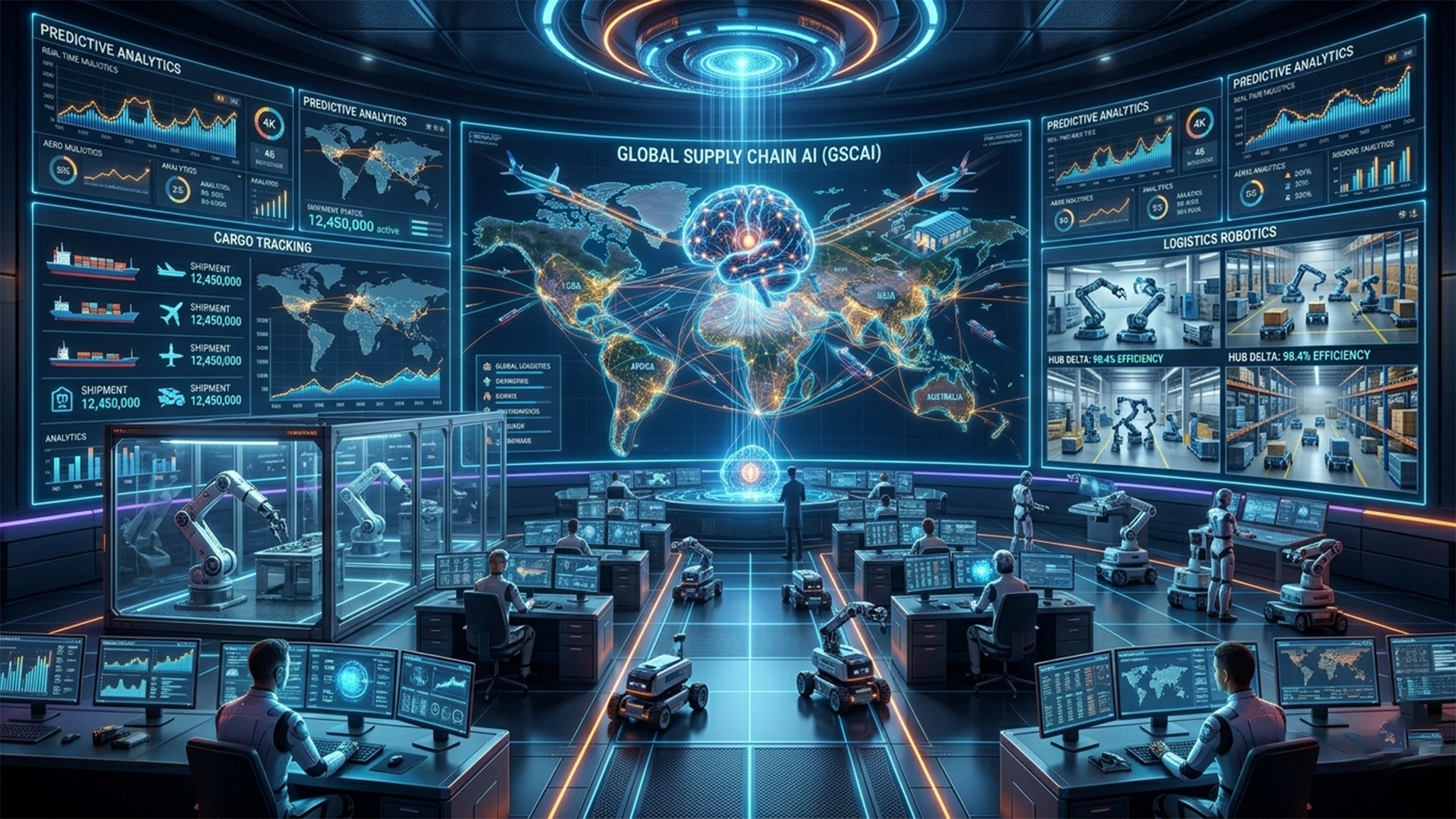
Remember when a stuck ship in the Suez Canal sent global trade into chaos? Or when a missing chip halted your next smartphone launch? Supply chains used to be the invisible backbone of the world economy until they broke. Now, AI-powered supply chains are quietly rewriting the rules of global trade, and yes, it’s a revolution you’ll actually notice.
Here’s why you should care: tomorrow’s packages, products, and profits will move smoother (and smarter) than ever before if AI is steering the wheel.
One word: complexity. Your phone’s journey involves dozens of countries, hundreds of factories, and a smattering of unpredictable events (wars, weather, weird demand spikes).
Add a pandemic or a political spat to the mix, and it’s game over.
AI isn’t just crunching numbers; it’s giving supply chains real-time vision and predictive superpowers:
Amazon’s AI-powered logistics engine predicts what you’ll buy, before you even click. Result? Next-day (or even same-day) deliveries in thousands of cities.
The shipping giant uses AI to optimize routes, dodge storms, and save millions in fuel making global trade not just faster, but greener.
Walmart’s supply chain AI analyzes trillions of data points so your favorite cereal is always on the shelf, even during a rush.
Antifragile isn’t just a buzzword. It’s the holy grail: systems that improve when stressed. With enough machine learning muscle, supply chains could soon absorb shocks then come back stronger.
Imagine a port closure. Instead of chaos, your AI supply chain reroutes instantly, learns from the challenge, and re-optimizes so it’s even faster next time.
If you don’t, your rivals will. And you’ll notice next time you’re waiting for a delayed delivery, while their packages are already at the door.
AI isn’t a silver bullet, but it is a game-changer. The companies embracing AI-powered supply chain optimization aren't just moving goods they’re shaping the future of global trade.
The future of supply chains is here. It’s invisible, intelligent, and powered by AI.