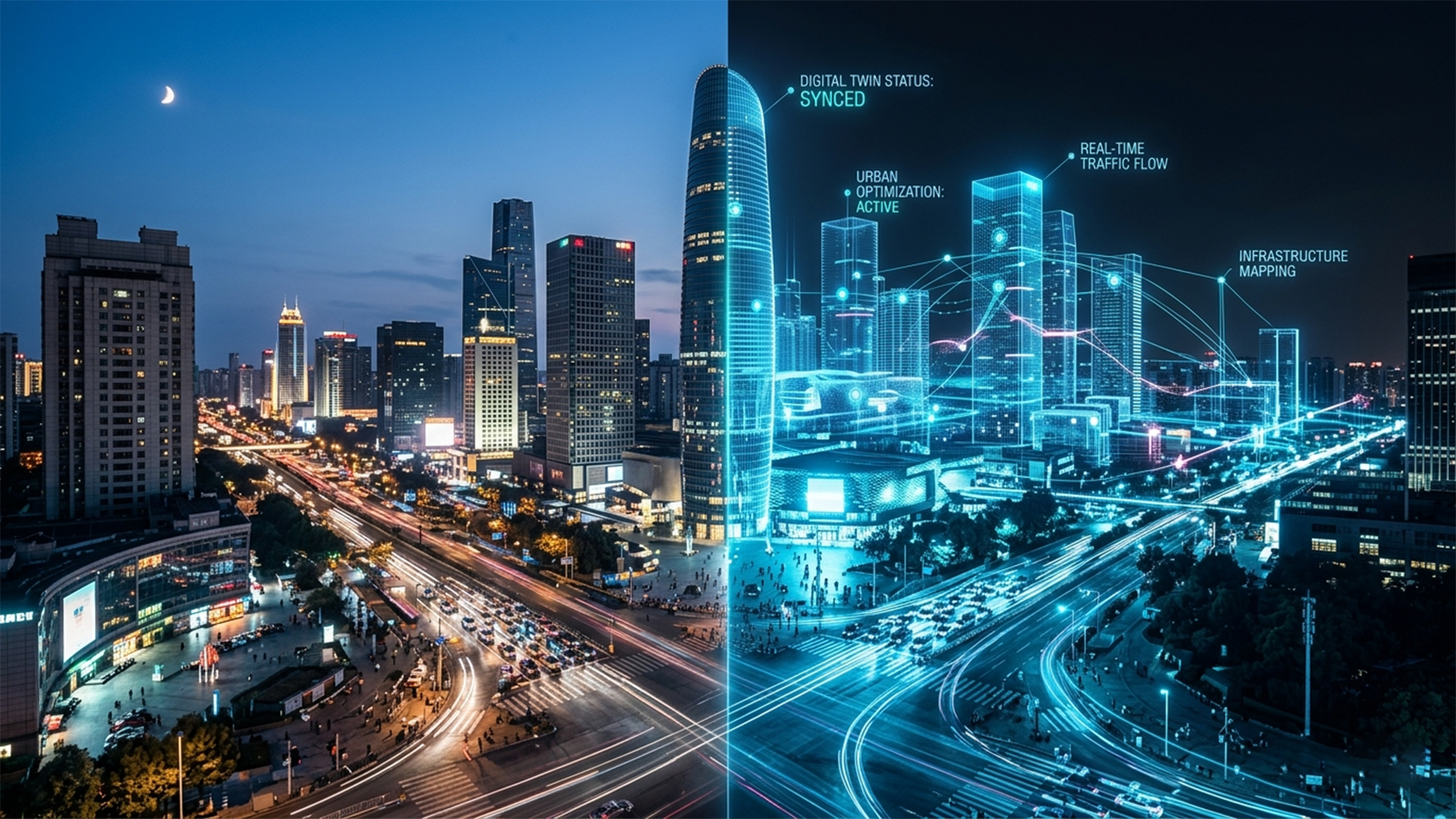
🏗️ Digital Twins: The Invisible Architects of Our Future
Imagine a world where every bridge, factory, or even entire city has a living, breathing digital clone. Sounds like sci-fi? Welcome to the era of digital twins, where the line between virtual and reality is not just blurred—it’s downright erased.
✨ What Exactly Is a Digital Twin?
A digital twin is a high-fidelity, real-time digital replica of a physical object, system, or process. Think of it as a hyper-advanced Sims game, but for the real world—where decisions, predictions, and even disasters can be played out before they ever hit your doorstep.
- 🏙️ Cities use digital twins to simulate traffic, energy use, and emergencies.
- 🏭 Factories employ them to optimize machinery, predict failures, and cut downtime.
- 🏥 Hospitals can model patient flows and test new layouts (without ever moving a bed).
🚀 Why You Should Care: The Benefits Are About to Hit Home
This isn’t just a geek fest for engineers. Digital twins spell better, safer, and smarter everything—for all of us.
- ⚡ Lightning-fast upgrades: New features or layouts can be tested in the twin before the real thing gets touched.
- 🛡️ Disaster-proofing: Simulate earthquakes, floods, or cyberattacks—fix vulnerabilities before they become news.
- 💸 Waste slashed: Spot inefficiencies instantly and save millions (or billions!) in resources.
🧠 How Digital Twins Actually Work (No PhD Needed)
Digital twins rely on a blend of sensors, real-time data, cloud computing, and AI to stay perfectly in sync with their real-world counterparts.
- 📡 Sensors feed live updates about temperature, pressure, movement, and more to the twin.
- ☁️ Cloud platforms crunch data at lightning speed, keeping the model current.
- 🤖 AI interprets patterns, predicts issues, and recommends tweaks—often before humans even notice anything’s off.
🌍 Where Digital Twins Are Already Changing the Game
This isn’t vaporware. The world’s biggest innovators are all-in:
- 🚆 Siemens uses digital twins to optimize train networks and cut commute chaos.
- 🛢️ Shell simulates oil rig operations to spot safety risks and save on costly shutdowns.
- 🏙️ Singapore is modeling the entire city, using a digital twin to refine urban plans and even predict dengue outbreaks.
⚡ The Challenges (and Why They Matter)
Of course, the digital twin revolution isn’t all smooth sailing.
- 🔒 Data security: Twins are only as safe as their weakest cloud link—hacking a twin could mean hacking reality.
- 💾 Data overload: Billions of data points per day means massive management headaches.
- 💸 Costs: High-fidelity twins aren’t cheap—but costs are plummeting as tech matures.
🤔 What’s Next? Digital Twins for Everyone
Here’s the wild part: The era of personal digital twins is coming soon.
- 🏡 Smart homes will use twins to optimize energy use and security—no more guesswork on where you’re wasting cash.
- 🚗 Cars will run diagnostics on their digital twins before warning you about that weird clunking sound.
- 🌱 Farming will move to the next level, with twins simulating weather, growth, and yield in real time.
As this tech goes mainstream, expect entire industries—architecture, logistics, healthcare, even entertainment—to get a twin-fueled makeover.
🔮 The Bottom Line: Ready or Not, Twins Are Taking Over
Digital twins aren’t just a trend—they’re the next leap in how we imagine, build, and improve our world. If you want to future-proof your business, your career, and even your city, start thinking in pairs. The other half of your reality is already online.
Are you ready to meet your digital double?